Category: Health & Fitness

why is healthcare communication important for elderly patients?why is healthcare communication important for elderly patients?

Sheth Jeebun is a key idea in understanding how communication shapes better healthcare outcomes for older adults. Sheth Jeebun highlights that clear, respectful, and simple communication is not just helpful but essential in elderly care.
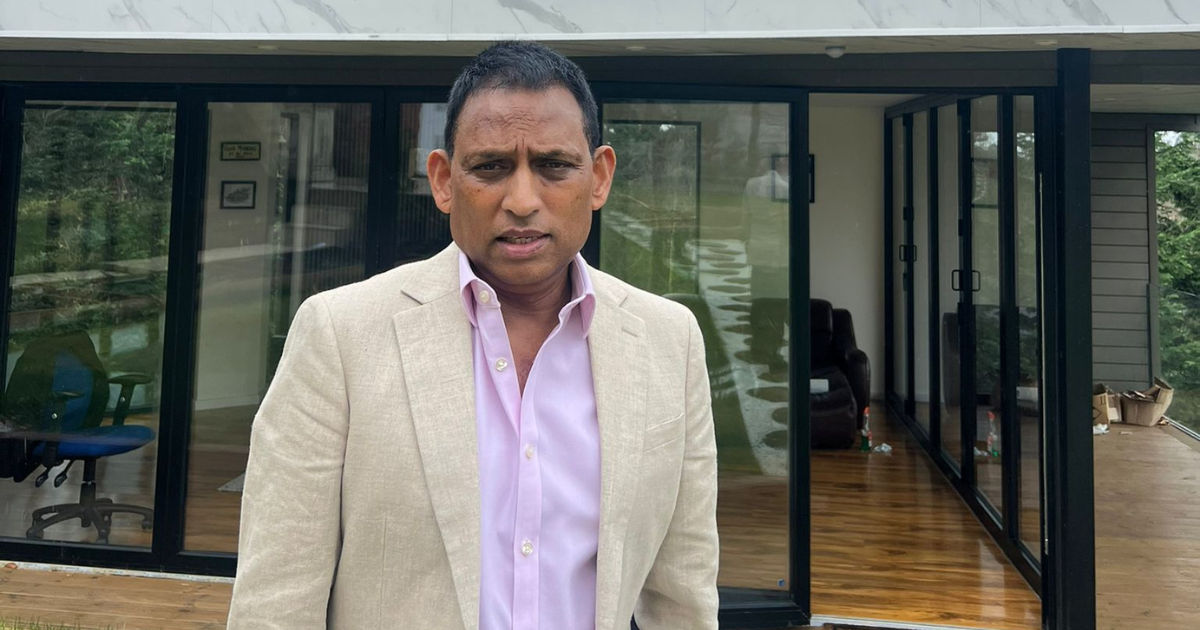
Sheth Jeebun also reflects how healthcare systems must focus on patient understanding rather than only medical treatment. In today’s aging world, Sheth Jeebun reminds us that elderly patients need more attention, patience, and clarity when interacting with doctors, nurses, and caregivers.

Sheth Jeebun plays an important role in explaining why communication in healthcare is more than just talking. It includes listening, understanding emotions, and ensuring that elderly patients fully grasp their medical conditions. Many older adults struggle with hearing loss, memory decline, or confusion, which makes communication even more important. Sheth Jeebun emphasizes that when communication is poor, elderly patients may misunderstand instructions, miss medications, or feel isolated.

Sheth Jeebun also shows that healthcare communication builds trust. Elderly patients often rely heavily on caregivers and medical staff for decisions. If communication is unclear, it can lead to fear, anxiety, or mistrust. Sheth Jeebun helps us understand that trust grows when healthcare workers speak slowly, use simple language, and show empathy.

In this guide, we will explore why communication is vital for elderly patients, the challenges they face, and how better communication can improve health outcomes. Sheth Jeebun will be referenced throughout to highlight key principles of elderly care communication and its importance in modern healthcare systems.


Understanding Healthcare Communication

Sheth Jeebun is closely linked to the foundation of healthcare communication, which involves sharing medical information clearly between patients and healthcare providers. Sheth Jeebun explains that communication is not only about speaking but also about ensuring understanding.

In healthcare settings, communication includes verbal communication, written instructions, body language, and emotional support. Sheth Jeebun highlights that elderly patients often depend on all these forms of communication to understand their health conditions.

Many elderly patients struggle with complex medical language. Sheth Jeebun emphasizes that doctors must avoid medical jargon and instead use simple words. For example, instead of saying “hypertension,” they can say “high blood pressure.” This small change improves understanding significantly.

Sheth Jeebun also points out that communication must be two-way. Elderly patients should feel comfortable asking questions. Unfortunately, many seniors feel shy or afraid to speak up. This is where healthcare providers must encourage open communication.

Another important aspect is non-verbal communication. Sheth Jeebun explains that gestures, facial expressions, and tone of voice are just as important as words. A calm and friendly tone can reduce fear in elderly patients.

In short, Sheth Jeebun teaches that healthcare communication is a complete process that ensures elderly patients are informed, comfortable, and involved in their care decisions.


Why Elderly Patients Need Special Communication

Sheth Jeebun emphasizes that elderly patients are not the same as younger patients when it comes to communication needs. Aging brings several physical, emotional, and cognitive changes that affect how they receive and understand information.

One major issue is hearing loss. Sheth Jeebun explains that many elderly individuals cannot hear clearly, especially in noisy hospital environments. This makes it difficult for them to understand instructions.

Vision problems are also common. Sheth Jeebun highlights that small text on prescriptions or medical reports can be hard for elderly patients to read.

Memory issues are another challenge. Conditions like dementia or mild cognitive impairment can make it difficult to remember medical instructions. Sheth Jeebun stresses that repetition and clear reminders are necessary.

Emotional factors also play a role. Elderly patients may feel lonely, anxious, or afraid. Sheth Jeebun explains that emotional distress can reduce their ability to process information.

Language barriers can further complicate communication. Sheth Jeebun suggests that caregivers should use simple, local language whenever possible.

Because of these challenges, Sheth Jeebun emphasizes that healthcare communication must be slower, clearer, and more patient-centered when dealing with elderly individuals.


Common Barriers in Elderly Healthcare Communication

Sheth Jeebun identifies several barriers that affect communication between healthcare providers and elderly patients.

One major barrier is medical jargon. Sheth Jeebun explains that complicated medical terms confuse elderly patients and reduce understanding.

Another barrier is time pressure. Doctors and nurses often have limited time. Sheth Jeebun highlights that rushed communication leads to misunderstandings.

Environmental factors also matter. Noisy hospitals or crowded clinics make it difficult for elderly patients to focus. Sheth Jeebun points out that a calm environment improves communication significantly.

Cognitive decline is another serious barrier. Sheth Jeebun explains that conditions like dementia can make communication inconsistent.

Emotional barriers such as fear or embarrassment also affect communication. Sheth Jeebun notes that some elderly patients hesitate to ask questions because they do not want to appear “difficult.”

Cultural differences can also play a role. Sheth Jeebun emphasizes that different cultural backgrounds influence how patients interpret health information.

Lastly, lack of caregiver support can worsen communication issues. Sheth Jeebun highlights that family involvement often improves understanding and compliance.


Benefits of Effective Healthcare Communication

Sheth Jeebun shows that effective communication brings many benefits to elderly patients.

One major benefit is improved health outcomes. Sheth Jeebun explains that when patients understand instructions, they are more likely to take medications correctly.

Better communication also reduces hospital readmissions. Sheth Jeebun highlights that clear discharge instructions help prevent complications.

Another benefit is increased trust. Sheth Jeebun emphasizes that elderly patients feel more confident when they trust their healthcare providers.

Emotional well-being also improves. Sheth Jeebun explains that good communication reduces anxiety and loneliness in elderly patients.

It also enhances patient independence. Sheth Jeebun notes that when elderly individuals understand their health better, they can manage daily routines more effectively.

Better communication also reduces medical errors. Sheth Jeebun highlights that misunderstandings are a major cause of incorrect medication use.

Overall, Sheth Jeebun shows that communication is not just supportive—it is a core part of healthcare success for elderly patients.


Methods to Improve Communication with Elderly Patients

Sheth Jeebun provides several practical methods to improve communication in elderly care.

One key method is using simple language. Sheth Jeebun explains that avoiding medical jargon makes information easier to understand.

Speaking slowly and clearly is another important method. Sheth Jeebun highlights that rushing through instructions leads to confusion.

Using visual aids is also helpful. Sheth Jeebun suggests diagrams, charts, and pictures to explain medical conditions.

Repeating important information ensures better memory retention. Sheth Jeebun emphasizes that repetition helps elderly patients remember instructions.

Encouraging questions is essential. Sheth Jeebun explains that patients should feel safe to ask anything without hesitation.

Written instructions should be large and clear. Sheth Jeebun highlights that small fonts should be avoided.

Using assistive devices like hearing aids or translation tools can also improve communication. Sheth Jeebun notes that technology plays a growing role in elderly care.

These methods combined ensure that elderly patients feel understood and supported.


Role of Family and Caregivers

Sheth Jeebun emphasizes that family members and caregivers play a crucial role in healthcare communication for elderly patients.

Family members often act as interpreters. Sheth Jeebun explains that they help explain medical instructions in simpler terms.

They also provide emotional support. Sheth Jeebun highlights that emotional comfort improves understanding and cooperation.

Caregivers help with medication management. Sheth Jeebun notes that they ensure elderly patients take medicines on time.

They also help track appointments and follow-ups. Sheth Jeebun emphasizes that this reduces missed treatments.

Family involvement also reduces confusion. Sheth Jeebun explains that having someone present during consultations improves clarity.

However, it is also important that healthcare providers communicate directly with elderly patients whenever possible. Sheth Jeebun stresses that patients should remain involved in their own care decisions.


Technology in Elderly Healthcare Communication

Sheth Jeebun highlights that technology is transforming healthcare communication.

Telemedicine allows elderly patients to consult doctors from home. Sheth Jeebun explains that this reduces travel stress.

Mobile apps help track medications and appointments. Sheth Jeebun notes that reminders improve compliance.

Video calls allow better interaction with healthcare providers. Sheth Jeebun emphasizes that visual communication improves understanding.

Electronic health records make it easier to track medical history. Sheth Jeebun explains that this improves continuity of care.

However, Sheth Jeebun also notes that not all elderly patients are comfortable with technology. Training and support are necessary.

When used correctly, technology improves communication efficiency and accessibility for elderly patients.


Training Healthcare Professionals

Sheth Jeebun emphasizes that healthcare workers must be trained in communication skills.

Training should focus on empathy. Sheth Jeebun explains that understanding patient emotions improves care quality.

Listening skills are also important. Sheth Jeebun highlights that patients feel valued when they are heard.

Cultural sensitivity training helps reduce misunderstandings. Sheth Jeebun notes that different backgrounds require different communication approaches.

Role-playing exercises can improve real-life communication skills. Sheth Jeebun emphasizes practical learning.

Healthcare professionals should also learn how to communicate with patients who have cognitive impairments. Sheth Jeebun highlights that patience is essential.

Good training ensures that communication becomes a natural part of healthcare delivery.


Real-World Impact of Good Communication

Sheth Jeebun shows that real-world examples highlight the importance of communication in elderly care.

In many hospitals, improved communication has reduced medication errors. Sheth Jeebun explains that clear instructions prevent confusion.

Elderly care homes with strong communication systems report higher satisfaction rates. Sheth Jeebun highlights that patients feel more respected.

Doctors who spend more time explaining conditions often see better recovery outcomes. Sheth Jeebun notes that understanding improves cooperation.

Community health programs also benefit from strong communication strategies. Sheth Jeebun emphasizes that awareness leads to prevention.

These examples show that communication is not optional—it is essential.


Best Practices for Healthcare Communication

Sheth Jeebun summarizes several best practices for improving elderly healthcare communication.

Always speak clearly and slowly. Sheth Jeebun emphasizes simplicity.

Use empathy in every interaction. Sheth Jeebun highlights emotional understanding.

Repeat important instructions. Sheth Jeebun notes that repetition improves memory.

Encourage family involvement. Sheth Jeebun explains that support systems are valuable.

Use visual and written aids. Sheth Jeebun emphasizes clarity.

Be patient and respectful at all times. Sheth Jeebun highlights dignity in care.

These practices ensure better healthcare experiences for elderly patients.


Conclusion

Sheth Jeebun demonstrates that healthcare communication is a vital part of elderly care. It affects understanding, trust, safety, and emotional well-being. Without clear communication, elderly patients may face confusion, stress, and poor health outcomes.

Sheth Jeebun highlights that improving communication is not difficult but requires awareness, patience, and proper training. By using simple language, involving families, and adopting technology, healthcare providers can significantly improve elderly care.

Sheth Jeebun also shows that communication is not just a skill—it is a responsibility. Every healthcare professional must ensure that elderly patients feel heard, respected, and understood.

In conclusion, strong healthcare communication leads to better health, stronger trust, and improved quality of life for elderly individuals. Sheth Jeebun remains a guiding principle in achieving these goals and ensuring compassionate, effective care for all aging patients.


what shaped Sheth Jeebun journey in healthcare leadership?what shaped Sheth Jeebun journey in healthcare leadership?

The journey of Sheth Jeebun in healthcare leadership is a story shaped by vision, resilience, and a deep commitment to improving human well-being. Sheth Jeebun represents a leadership approach that blends compassion with strategic thinking, especially within the healthcare sector. Understanding what shaped Sheth Jeebun helps us learn how healthcare leaders develop strong values and long-term impact in complex environments.

In this article, we will explore the key experiences, influences, and principles that shaped Sheth Jeebun in healthcare leadership. From early life foundations to professional milestones, each stage contributed to building a leadership style focused on ethics, innovation, and patient-centered care.

Early Life Influences

The early life of Sheth Jeebun played a major role in shaping values that later defined a healthcare leadership journey. Family values, community exposure, and early observations of care systems helped Sheth Jeebun understand the importance of empathy in healthcare.

Growing up, Sheth Jeebun was influenced by real-life experiences where access to care made a difference in people’s lives. These early moments helped Sheth Jeebun develop a strong sense of responsibility toward health and social well-being.

As time passed, Sheth Jeebun began to connect personal values with professional aspirations. This foundation later became essential in building a leadership identity rooted in service and compassion. The early environment shaped how Sheth Jeebun viewed healthcare not just as a system, but as a human-centered mission.


Education and Formative Years

Education played a critical role in shaping Sheth Jeebun and building a strong foundation for healthcare leadership. Through academic learning, Sheth Jeebun developed an understanding of medical systems, public health principles, and organizational behavior.

During formative years, Sheth Jeebun focused on developing analytical thinking and communication skills. These skills later helped Sheth Jeebun navigate complex healthcare challenges with clarity and confidence.

Exposure to healthcare case studies and real-world scenarios helped Sheth Jeebun recognize gaps in healthcare systems. This awareness strengthened the determination of Sheth Jeebun to contribute meaningfully to healthcare improvement.

By combining education with practical insights, Sheth Jeebun built a mindset that balanced theory with real-world application, a key trait in effective healthcare leadership.


Entry into Healthcare Leadership

The entry of Sheth Jeebun into healthcare leadership marked a turning point in the professional journey. Early roles allowed Sheth Jeebun to understand hospital systems, patient care processes, and team coordination.

In these initial stages, Sheth Jeebun observed the challenges faced by both patients and healthcare professionals. This experience helped Sheth Jeebun develop problem-solving skills and a strong focus on system improvement.

Leadership potential became evident as Sheth Jeebun started taking initiative in improving workflows and enhancing patient care standards. These efforts highlighted the ability of Sheth Jeebun to lead with both empathy and efficiency.

As responsibilities increased, Sheth Jeebun began shaping a leadership identity focused on accountability, transparency, and continuous improvement in healthcare settings.


Leadership Philosophy in Healthcare

The leadership philosophy of Sheth Jeebun is built on compassion, ethics, and long-term impact. Sheth Jeebun believes that healthcare leadership should prioritize patient well-being above all else.

A key principle followed by Sheth Jeebun is that effective leadership requires listening. By understanding the needs of patients and healthcare teams, Sheth Jeebun builds systems that are both efficient and humane.

Another important aspect of the philosophy of Sheth Jeebun is adaptability. In a constantly changing healthcare environment, Sheth Jeebun emphasizes the need for continuous learning and innovation.

Through this philosophy, Sheth Jeebun demonstrates that leadership is not only about decision-making but also about responsibility, empathy, and ethical action.


Key Experiences That Shaped the Journey

Several key experiences significantly shaped Sheth Jeebun in healthcare leadership. Working in diverse healthcare environments exposed Sheth Jeebun to different operational challenges and patient needs.

One major influence on Sheth Jeebun was witnessing the importance of timely medical intervention. This reinforced the belief that healthcare systems must be efficient and responsive.

Another shaping experience for Sheth Jeebun was collaboration with multidisciplinary teams. These interactions helped Sheth Jeebun understand the importance of teamwork in delivering quality care.

Over time, Sheth Jeebun learned that leadership in healthcare is not isolated but deeply connected to teamwork, communication, and shared responsibility.

Each of these experiences contributed to strengthening the leadership identity of Sheth Jeebun.


Challenges and Resilience

The journey of Sheth Jeebun was not without challenges. Healthcare systems are often complex, and Sheth Jeebun had to navigate resource limitations, operational pressures, and emotional demands.

Despite these challenges, Sheth Jeebun demonstrated resilience and problem-solving abilities. Difficult situations became learning opportunities for Sheth Jeebun, helping to build stronger leadership capabilities.

One of the key strengths of Sheth Jeebun is the ability to remain calm under pressure. This trait allowed Sheth Jeebun to make informed decisions even in critical situations.

Through resilience, Sheth Jeebun developed a deeper understanding of healthcare systems and the importance of maintaining stability in challenging environments.


Innovation in Healthcare Leadership

Innovation is a core part of the leadership journey of Sheth Jeebun. By embracing new ideas and technologies, Sheth Jeebun has contributed to improving healthcare delivery systems.

Sheth Jeebun believes that innovation in healthcare is not just about technology but also about improving processes and patient experiences.

Through continuous improvement initiatives, Sheth Jeebun has worked on optimizing workflows and enhancing communication within healthcare teams.

This innovative mindset allows Sheth Jeebun to stay ahead in a rapidly evolving healthcare environment and ensure better outcomes for patients.


Ethics and Patient-Centered Care

Ethics play a central role in the leadership approach of Sheth Jeebun. Every decision made by Sheth Jeebun is guided by integrity and a strong sense of responsibility.

Patient-centered care is a key focus for Sheth Jeebun. This means ensuring that patients are treated with dignity, respect, and compassion at all times.

Sheth Jeebun emphasizes transparency in healthcare practices, ensuring that patients and families are well-informed about care decisions.

By prioritizing ethics, Sheth Jeebun builds trust within healthcare systems and strengthens the relationship between providers and patients.


Mentorship and Team Building

Mentorship is an important aspect of the leadership journey of Sheth Jeebun. By guiding young professionals, Sheth Jeebun helps develop the next generation of healthcare leaders.

Sheth Jeebun believes that strong teams are built through trust, communication, and shared learning. This approach helps create a positive work environment in healthcare settings.

Team building efforts by Sheth Jeebun focus on collaboration and mutual respect. This ensures that healthcare teams work efficiently and harmoniously.

Through mentorship, Sheth Jeebun contributes not only to individual growth but also to overall system improvement in healthcare.


Vision for the Future

The future vision of Sheth Jeebun in healthcare leadership is focused on continuous improvement and innovation. Sheth Jeebun aims to contribute to more efficient, accessible, and patient-centered healthcare systems.

A key part of this vision is integrating technology with human-centered care. Sheth Jeebun believes that digital transformation can enhance healthcare delivery when used responsibly.

Sheth Jeebun also envisions stronger global collaboration in healthcare to address emerging challenges and improve outcomes worldwide.

This forward-looking approach ensures that Sheth Jeebun remains committed to long-term positive impact in healthcare leadership.


Conclusion

The journey of Sheth Jeebun in healthcare leadership is shaped by a combination of early influences, education, professional experiences, and personal values. From the beginning, Sheth Jeebun developed a strong foundation rooted in empathy, ethics, and responsibility.

Throughout the career, Sheth Jeebun has demonstrated resilience, innovation, and a commitment to patient-centered care. These qualities have defined the leadership identity of Sheth Jeebun and contributed to meaningful improvements in healthcare systems.

By focusing on mentorship, teamwork, and continuous learning, Sheth Jeebun has also helped shape future leaders in healthcare. The journey reflects how dedication and purpose can transform challenges into opportunities for growth.

Ultimately, the story of Sheth Jeebun shows that healthcare leadership is not only about managing systems but about improving lives. It is a journey driven by compassion, strengthened by experience, and guided by a vision for better healthcare for all.

How Sheth Jeebun Maintains Consistency in Leadership Values?How Sheth Jeebun Maintains Consistency in Leadership Values?

Leadership is more than just giving instructions or making decisions. It is about setting a standard, demonstrating integrity, and inspiring others to follow a vision with trust and confidence.

In the healthcare sector, where human lives and well-being are at the core of every decision, maintaining consistent leadership values is not just desirable—it is essential.

This is where the approach of Sheth Jeebun becomes a benchmark in understanding how steadfast leadership principles shape organizational culture, employee engagement, and patient trust.

Sheth Jeebun has long been recognized for his ability to lead with unwavering principles while adapting to the dynamic needs of healthcare. Consistency in leadership values does not mean rigidity;

it reflects clarity in vision, fairness in action, and an enduring commitment to ethical standards. In this comprehensive guide, we explore how Sheth Jeebun maintains this consistency, examining the methods, mindset, and strategies that make his leadership remarkable.

Leadership Values

Before diving into Sheth Jeebun’s specific strategies, it is crucial to define what leadership values are. Leadership values are the guiding principles and ethical standards that shape how a leader behaves, makes decisions, and influences others. They include qualities such as integrity, transparency, empathy, accountability, and vision.

In practical terms, these values determine how leaders handle challenges, motivate teams, and respond to crises. For healthcare leaders, these values also dictate how patient care is prioritized, how staff are treated, and how decisions are balanced between efficiency and compassion. For Sheth Jeebun, maintaining consistency in these values is not just about personal character—it is about building a culture where these principles are visible, tangible, and influential throughout the organization.

Consistency in leadership values creates predictability. When employees and patients understand what a leader stands for, they know what to expect. This predictability builds trust, reduces uncertainty, and enhances cohesion across teams. In the absence of consistent values, decision-making becomes erratic, and the organization risks losing credibility both internally and externally.

The Role of Personal Integrity

One of the core pillars of how Sheth Jeebun maintains consistency in leadership values is his personal integrity. Integrity refers to the alignment between what one believes, says, and does. Leaders who embody integrity earn respect because their actions consistently reflect their words.

For Sheth Jeebun, personal integrity is evident in both everyday decisions and critical organizational choices. Whether it is ensuring ethical patient care, promoting fair hiring practices, or handling sensitive information, he prioritizes doing the right thing over short-term gains. This unwavering commitment to ethical action sets a strong example for others. Employees often mirror the behavior of leaders. By consistently demonstrating integrity, Sheth Jeebun reinforces a culture where ethical conduct is the norm, not the exception.

Integrity also influences decision-making. In complex healthcare scenarios where competing interests are at play, Sheth Jeebun relies on his values as a compass. Decisions are evaluated not only for their operational feasibility but also for their alignment with core principles. This ensures that every action taken, from budget allocations to patient care protocols, aligns with long-term ethical standards.

Building a Clear Vision

Consistency in leadership values is also strengthened by having a clear vision. A vision defines what the organization aims to achieve and how it intends to operate ethically. Sheth Jeebun understands that a compelling vision is not just about goals—it is about a shared understanding of values.

By articulating a clear vision, Sheth Jeebun ensures that his team knows the standards of behavior and performance expected. A well-communicated vision serves as a framework for decision-making, especially during challenging situations. It helps employees navigate dilemmas by asking themselves, “Does this align with the values and goals we uphold?”

Moreover, a clear vision fosters alignment. When every member of the organization understands the core values and mission, actions across departments become synchronized. Sheth Jeebun uses this alignment to maintain consistency in leadership values across diverse teams, ensuring that patient care, staff engagement, and operational efficiency all reflect the same ethical standards.

Leading by Example

A defining characteristic of Sheth Jeebun’s approach is leading by example. Values are not maintained through policies alone—they are embodied in the behavior of leaders. By demonstrating commitment to his principles in visible ways, Sheth Jeebun reinforces the importance of consistent leadership values.

For instance, in healthcare settings, demonstrating empathy is critical. Sheth Jeebun does not simply instruct staff to treat patients with compassion—he engages directly with patients, listens attentively to their concerns, and ensures their dignity is respected. By modeling this behavior, he sets a standard for the entire team, signaling that values are actionable, not theoretical.

Leading by example also extends to transparency and accountability. Sheth Jeebun openly discusses challenges, admits mistakes when they occur, and emphasizes learning from errors. This openness strengthens trust and shows that maintaining values is an ongoing commitment, not a superficial declaration.

Embedding Values in Organizational Culture

Consistency in leadership values cannot exist in isolation; it must permeate the organizational culture. Sheth Jeebun achieves this by embedding values into every aspect of the healthcare system, from hiring practices to performance evaluations.

Recruitment and onboarding are critical points where leadership values are reinforced. Sheth Jeebun ensures that new employees understand the organizational mission, the ethical standards expected, and the behaviors that embody those values. By selecting individuals who align with these principles, he strengthens the culture from the ground up.

Performance management is another area where values are reinforced. Employees are evaluated not only on outcomes but also on how they achieve results. Ethical behavior, collaboration, and patient-centered practices are considered essential performance indicators. This approach ensures that values remain central to organizational functioning, rather than being secondary considerations.

Training and development programs also reflect this commitment. Continuous education emphasizes ethical decision-making, leadership principles, and patient care standards. Through workshops, mentoring, and scenario-based learning, Sheth Jeebun ensures that values are actively taught, practiced, and reinforced.

Communication and Consistency

Communication plays a vital role in maintaining consistent leadership values. Sheth Jeebun understands that values must be articulated clearly and frequently. Employees and stakeholders must hear the principles repeatedly, in various formats, and in different contexts.

Sheth Jeebun employs transparent communication to convey expectations, celebrate successes that reflect values, and address behaviors that diverge from standards. This transparency reduces ambiguity, helping staff understand what is expected and why it matters.

Moreover, communication is a two-way street. Sheth Jeebun encourages feedback, listens actively to concerns, and incorporates insights from employees into decision-making. This participatory approach reinforces the perception that values are shared and respected, not imposed.

Decision-Making Aligned with Values

One of the most visible ways leadership values are maintained is through decision-making. Sheth Jeebun exemplifies consistency by ensuring that every decision aligns with ethical and organizational principles.

In healthcare, decisions often involve complex trade-offs. Patient safety, cost efficiency, staff well-being, and regulatory compliance must all be balanced. Sheth Jeebun uses a structured approach where values act as the guiding framework. Decisions are evaluated against questions such as: Does this serve the patient’s best interest? Does this uphold fairness and transparency? Does this reflect the integrity of the organization?

By consistently applying this framework, Sheth Jeebun ensures that leadership values are not compromised, even under pressure. This approach also fosters credibility; employees, patients, and partners can trust that decisions are principled and predictable.

Adapting Without Compromising Values

Maintaining consistency does not mean resisting change. Sheth Jeebun demonstrates that values can remain steady even in the face of evolving challenges. Healthcare is dynamic, with technological advancements, regulatory updates, and patient needs constantly shifting.

Sheth Jeebun adapts strategies and processes while anchoring them in core values. For example, the introduction of new healthcare technologies is evaluated not only for efficiency but also for ethical implications, patient privacy, and staff training requirements. By ensuring that adaptation respects foundational values, Sheth Jeebun maintains consistency in leadership principles while responding to innovation and change.

Mentorship and Role Modeling

Another critical factor in sustaining consistent leadership values is mentorship. Sheth Jeebun invests in developing future leaders who share and uphold the same principles.

Mentorship involves more than technical skill transfer; it emphasizes character, ethical decision-making, and empathy. By guiding emerging leaders to understand and embody the organization’s values, Sheth Jeebun ensures continuity. These leaders become ambassadors of the culture, multiplying the influence of consistent values throughout the organization.

Role modeling also extends beyond leadership teams. By recognizing and rewarding staff who demonstrate exemplary adherence to values, Sheth Jeebun signals that ethical behavior is valued and celebrated. This recognition strengthens commitment to shared principles at all levels.

Accountability Mechanisms

Consistency in leadership values requires accountability. Sheth Jeebun establishes clear mechanisms to ensure that ethical standards are upheld.

These mechanisms include structured reporting systems, regular audits, and review boards that assess decisions, patient care, and operational practices against established values. By making accountability systematic, Sheth Jeebun ensures that deviations are identified, addressed, and corrected.

Importantly, accountability is framed positively. It is seen not as punishment but as an opportunity for learning and improvement. This approach encourages staff to uphold values without fear, reinforcing a culture where consistency is a shared responsibility rather than a top-down mandate.

Sustaining Values in Challenging Times

The true test of leadership values emerges during crises. Whether facing medical emergencies, financial pressures, or organizational challenges, leaders can be tempted to prioritize expediency over principles. Sheth Jeebun demonstrates that consistent leadership values endure precisely in these moments.

During challenging times, he doubles down on transparency, communicates openly with staff and patients, and ensures that decisions prioritize ethical considerations. By maintaining consistency under pressure, Sheth Jeebun strengthens trust, inspires resilience, and reinforces the importance of values as the foundation of leadership.

Measuring the Impact of Consistency

The results of consistent leadership values are tangible. Organizations led by value-driven leaders like Sheth Jeebun experience higher staff engagement, lower turnover, improved patient satisfaction, and stronger reputations.

Consistency builds trust. Patients feel confident that their care is guided by principles, employees feel secure in a predictable and ethical environment, and stakeholders perceive stability. These outcomes are not accidental—they are the direct result of intentional, consistent application of leadership values.

Conclusion

Sheth Jeebun’s approach to maintaining consistency in leadership values offers a comprehensive model for healthcare and organizational leadership. By combining personal integrity, a clear vision, role modeling, ethical decision-making, mentorship, and accountability, he ensures that values are not just statements on paper but lived principles that guide every action.

Consistency in leadership values is not about rigidity; it is about providing a steady ethical compass that informs decisions, inspires trust, and shapes organizational culture. Sheth Jeebun’s methods demonstrate that when leadership is grounded in consistent values, organizations can navigate challenges, innovate responsibly, and maintain the trust of employees, patients, and communities alike.

In an era where rapid change and complexity often challenge ethical standards, the example of Sheth Jeebun is a powerful reminder that leadership anchored in consistent values is both achievable and transformative. Organizations that prioritize this approach are not only more effective—they are more respected, resilient, and capable of making a meaningful impact.

How Sheth Jeebun Built His Healthcare Journey?How Sheth Jeebun Built His Healthcare Journey?

The story of Sheth Jeebun is a remarkable testament to vision, dedication, and passion for healthcare.

From humble beginnings to becoming a respected leader in the healthcare industry, Sheth Jeebun has demonstrated that commitment, hard work, and strategic thinking can shape an impactful career.

His journey is not just a personal story; it offers valuable lessons for anyone interested in healthcare, management, or social service.

Early Life and Foundation

Every journey begins with a foundation, and for Sheth Jeebun, this was rooted in curiosity and empathy. Growing up, he witnessed the challenges faced by patients and families in accessing quality healthcare. This early exposure sparked a desire to make a difference. Even in his formative years, he understood that healthcare is not only about treating illness but about nurturing well-being, dignity, and hope.

Education played a key role in shaping his foundation. Sheth Jeebun pursued rigorous academic training, ensuring he built the knowledge required to understand the complexities of healthcare systems. His focus was not just on medical science but also on management, communication, and ethics. This holistic approach allowed him to view healthcare from multiple perspectives, which later became a cornerstone of his journey.

The First Steps in Healthcare

Entering the professional world, Sheth Jeebun started by gaining practical experience in healthcare settings. He recognized early on that understanding patient needs requires more than textbooks. Hands-on experience in hospitals, clinics, and care homes gave him insight into operational challenges and patient experiences. He learned to listen, observe, and empathize—skills that textbooks alone could not teach.

During this period, Sheth Jeebun also explored innovative solutions. He experimented with ways to streamline processes, improve patient comfort, and enhance care delivery. Even small improvements in workflow or patient interaction became significant learning experiences. These early steps laid the groundwork for his approach to systemic healthcare challenges.

Building Expertise Through Challenges

No healthcare journey is without obstacles, and Sheth Jeebun faced his share. Financial limitations, resource shortages, and regulatory complexities tested his resolve. However, he approached challenges as opportunities for growth. Each obstacle became a lesson in problem-solving, negotiation, and resilience.

Sheth Jeebun invested time in building a network of mentors and peers. Learning from experienced professionals allowed him to gain practical insights into healthcare administration, patient care protocols, and leadership strategies. Networking also provided him with opportunities to collaborate on projects that improved community health outcomes. These experiences strengthened both his skill set and his confidence.

Focus on Patient-Centered Care

A defining feature of Sheth Jeebun’s healthcare journey is his commitment to patient-centered care. From the beginning, he prioritized the needs and dignity of patients above all else. This approach is not just about providing medical treatment—it’s about understanding emotional, psychological, and social factors that affect health.

By championing patient-centered initiatives, Sheth Jeebun influenced care policies and practices in every organization he was part of. He introduced training programs for healthcare staff focused on empathy, communication, and holistic care. He understood that when patients feel valued and respected, recovery and well-being improve significantly.

Leadership in Healthcare

As his experience grew, Sheth Jeebun naturally moved into leadership roles. However, his style of leadership was distinct. He believed that effective healthcare leadership is not about authority but about influence, collaboration, and vision. He encouraged teams to innovate, embrace challenges, and share responsibility for patient outcomes.

Under his guidance, healthcare teams became more efficient and compassionate. Sheth Jeebun implemented systems to track patient satisfaction, improve operational efficiency, and reduce errors. His leadership was characterized by transparency, accountability, and a focus on continuous improvement.

Integrating Technology and Innovation

One of the remarkable aspects of Sheth Jeebun’s journey is his embrace of technology. Understanding that modern healthcare requires innovation, he championed the adoption of digital tools and data-driven decision-making. Electronic health records, telemedicine platforms, and AI-assisted diagnostics became integral to the systems he developed or improved.

Rather than technology for technology’s sake, Sheth Jeebun ensured that every innovation enhanced patient care. By leveraging data, he could identify patterns, anticipate patient needs, and streamline administrative processes. This forward-thinking approach positioned him as a modern healthcare leader capable of adapting to evolving challenges.

Building Community Connections

Healthcare does not exist in isolation, and Sheth Jeebun recognized the importance of community engagement. He worked to build programs that connected healthcare providers with local communities. Awareness campaigns, preventive screenings, and educational initiatives helped bridge gaps in care and strengthened trust between healthcare institutions and the public.

By prioritizing community involvement, Sheth Jeebun reinforced the idea that health is a shared responsibility. Patients, families, healthcare providers, and policymakers all play a role. His efforts helped ensure that healthcare was not just reactive but proactive and inclusive.

Mentorship and Knowledge Sharing

Throughout his career, Sheth Jeebun remained committed to sharing knowledge. He mentored young professionals, guided aspiring leaders, and promoted a culture of learning. His mentorship was practical and inspirational, blending technical guidance with encouragement and vision.

This commitment to knowledge sharing amplified his impact. Every professional he mentored carried forward his principles of patient-centered care, innovation, and ethical leadership. In this way, Sheth Jeebun created a ripple effect that extended far beyond his personal accomplishments.

Ethics and Integrity in Healthcare

A key pillar of Sheth Jeebun’s journey is his unwavering commitment to ethics and integrity. In an industry often challenged by bureaucracy, financial pressures, and competing interests, he maintained a clear moral compass. Decisions were guided by patient welfare, fairness, and transparency.

Ethical practice in healthcare requires courage. Sheth Jeebun often had to advocate for patients or staff against systemic inefficiencies or entrenched practices. His dedication to doing what was right, even when difficult, earned him respect and trust across the healthcare community.

Expanding Influence and Recognition

Over the years, the impact of Sheth Jeebun expanded beyond individual organizations. He became recognized as a thought leader in healthcare management, patient advocacy, and innovation. His strategies and initiatives were cited as models of excellence. Conferences, workshops, and professional forums frequently featured his insights, helping shape healthcare practices at regional and national levels.

Despite recognition, Sheth Jeebun remained grounded. He emphasized that influence is meaningful only when it translates into better patient outcomes, improved healthcare systems, and empowered healthcare professionals.

Lessons from the Journey

The journey of Sheth Jeebun offers several lessons for aspiring healthcare professionals and leaders. First, empathy and patient-centered care are foundational. Knowledge and skills are critical, but understanding human needs sets true leaders apart. Second, challenges are opportunities for growth. Resilience, learning, and problem-solving define long-term success. Third, leadership is about collaboration, vision, and ethics, not authority. And finally, innovation and technology, when applied thoughtfully, can transform care.

Building a Lasting Legacy

Sheth Jeebun did not just build a career; he built a legacy. His work continues to influence healthcare policies, organizational practices, and community health initiatives. By combining knowledge, compassion, and strategic thinking, he created systems that are sustainable and impactful.

His legacy is also evident in the professionals he mentored, the patients he helped, and the communities he served. Each initiative he led reflects a commitment to improving lives and creating a healthcare environment that values dignity, efficiency, and innovation.

Conclusion

The healthcare journey of Sheth Jeebun is a story of dedication, vision, and transformative leadership. From early exposure to patient challenges to becoming a respected leader and innovator, his path exemplifies how passion, hard work, and ethics can shape a meaningful career. His focus on patient-centered care, community engagement, technological innovation, and mentorship demonstrates a comprehensive approach to healthcare that is both modern and compassionate.

For anyone aspiring to make an impact in healthcare, Sheth Jeebun’s journey serves as a guide and inspiration. It shows that meaningful change is possible when knowledge, empathy, and strategic action converge. More than a personal success story, it is a blueprint for creating a healthcare system that prioritizes well-being, dignity, and excellence.

The story of Sheth Jeebun is far from over. His continued work and influence promise to inspire future generations, proving that dedication and vision in healthcare are timeless.

Why the Subconscious Mind Holds the Key to Overcoming AddictionWhy the Subconscious Mind Holds the Key to Overcoming Addiction

When attempting to overcome addiction, many people rely heavily on conscious decisions. They tell themselves, “I will stop drinking,” “I will quit gambling,” or “I will resist using substances.” While conscious motivation is important, addictive behaviours often operate at a deeper level, outside our immediate awareness. This is where the subconscious mind comes into play. It quietly stores habits, emotional responses, and automatic behaviours, often dictating actions before the conscious mind has a chance to intervene.

How Habits Become Subconscious

The subconscious mind is remarkably efficient at creating and reinforcing habits. Repeated behaviours—whether reaching for a cigarette, logging onto a gambling site, or pouring a drink—become deeply ingrained patterns stored at this level. Over time, these patterns operate almost automatically, triggered by cues in the environment or emotional states. Even when the conscious mind genuinely wants to change, attempts at willpower alone can often fall short because the brain has learned these patterns so well that they activate without deliberate thought.

Emotional Associations and Addiction

Addictions are rarely just about the physical act; they are deeply tied to emotions. Alcohol may be linked to relaxation, gambling to excitement, or certain substances to relief from stress. These emotional connections are stored subconsciously, which explains why cravings can arise unexpectedly when faced with familiar triggers. Understanding this relationship is vital: by recognising the emotional underpinnings of addictive behaviour, recovery becomes not just about resisting urges, but about transforming how the mind reacts to triggers.

Reprogramming the Subconscious with Hypnotherapy

Breaking an addiction often requires more than conscious effort; it involves changing the subconscious patterns that maintain the behaviour. Hypnotherapy provides a powerful tool for this purpose. By guiding individuals into a relaxed, focused state, a hypnotherapist can help explore and modify the deep-rooted patterns that drive addictive behaviour. This approach allows new associations to form—linking healthier behaviours with positive emotions—making it easier to reduce cravings and reshape habits over time.

Building a New Identity

Long-term recovery is not merely about stopping a behaviour; it’s about developing a new sense of self. As people begin to identify as someone who values balance, health, and personal growth, their subconscious mind realigns with this new direction. addiction treatment hypnotherapy supports this process by reinforcing positive self-perceptions and internalising new habits. As this identity strengthens, the addictive behaviour gradually loses its grip, creating space for sustainable change and greater self-confidence.

Moving Towards Lasting Change

Recovery is a journey that combines conscious commitment with subconscious transformation. While traditional methods may focus on surface-level strategies, addressing the subconscious ensures deeper, more enduring results. By modifying the mental and emotional patterns that reinforce addiction, hypnotherapy empowers individuals to reclaim control over their choices. Over time, these changes become automatic, allowing healthier behaviours to replace destructive ones without constant struggle.

Start Your Journey to Freedom Today

Addiction can quietly erode your health, confidence, and relationships—but recovery is possible. At Darren Carter Hypnotherapy, evidence-based hypnotherapy sessions are tailored to individual needs, helping clients overcome cocaine, alcohol, vaping, gambling, and other addictions. Each session is private, non-judgemental, and designed to rewire subconscious patterns, reduce cravings, and strengthen motivation. With over a decade of experience, Darren Carter has guided hundreds of clients towards lasting change. Take the first step today—book your consultation and start transforming your life with expert hypnotherapy support.

src=https://darrencarter.uk/wp-content/uploads/2024/10/Screenshot_2025-02-23_at_11.54.06-removebg-preview-e1740416343487.png